Mobility and joint comfort are often discussed as inevitable victims of aging. In reality, they are shaped gradually — influenced by daily habits, movement patterns, and lifestyle choices accumulated over time.
Rather than being determined by a single factor, joint comfort reflects how the body is used, supported, and allowed to recover across years. Understanding these influences can help reframe mobility not as something that suddenly declines, but as something continuously shaped by everyday behavior.
Mobility Is Not Determined by Age Alone
Age plays a role in physical changes, but it is not the sole driver of joint discomfort or reduced mobility. Research consistently shows that lifestyle factors — including activity levels, recovery habits, and overall health behaviors — strongly influence how joints function over time. This long-term influence of daily routines is explored in Foundations of Well-Being: How Daily Habits Shape Long-Term Health.
People of the same age often experience vastly different levels of mobility, highlighting the cumulative impact of long-term habits rather than chronological age alone.
Daily Movement Patterns Matter
Movement is one of the most influential factors in joint comfort.
Long periods of inactivity can contribute to stiffness and reduced range of motion, while consistent, moderate movement helps maintain joint lubrication, muscle balance, and functional mobility.
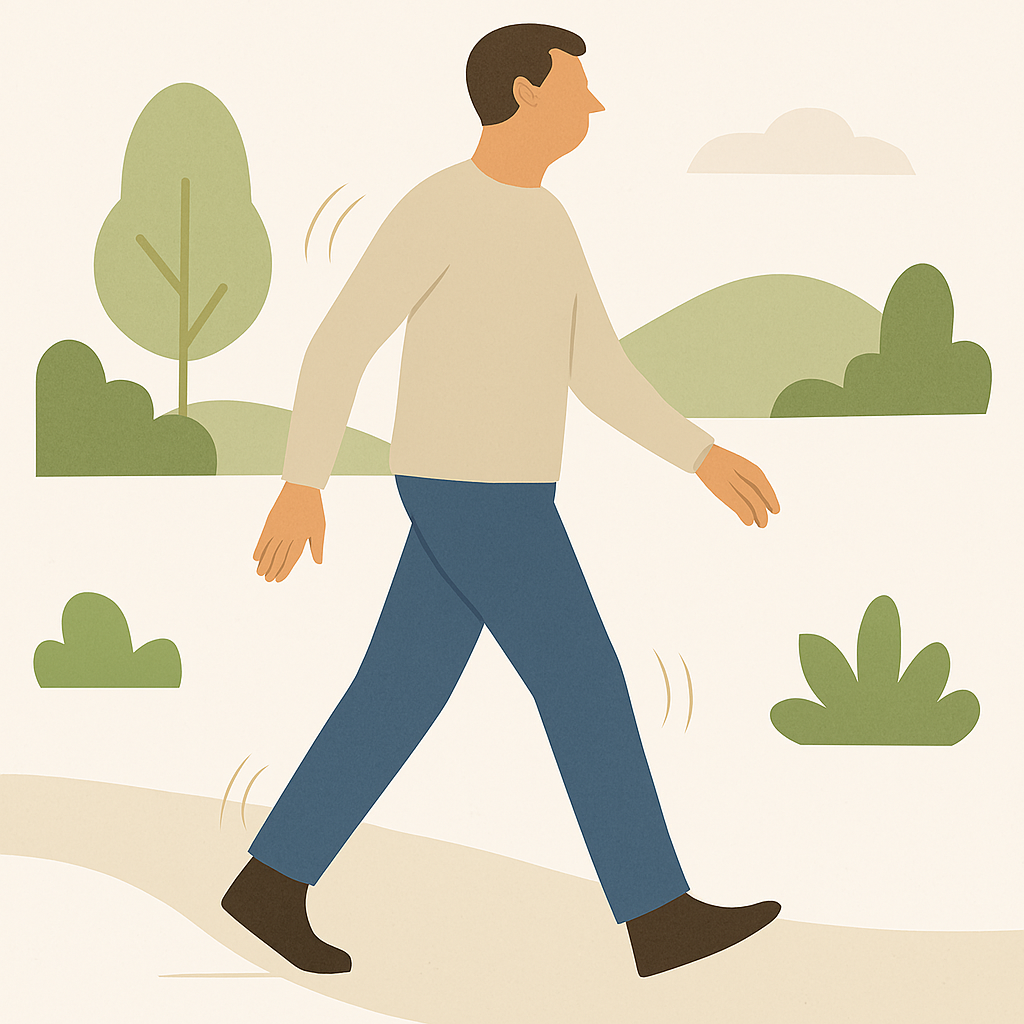
This does not require intense exercise. Regular walking, gentle mobility work, varied postures throughout the day, and light resistance activities all support joint function when practiced consistently.
Body Weight and Mechanical Load
Joints are designed to handle movement and load, but excess or poorly managed stress can influence comfort over time.
Body weight, posture, and repetitive strain all affect how much pressure joints experience daily. Even small, gradual changes in load management — such as improving movement mechanics or reducing prolonged static positions — can make a meaningful difference over the long term.
This is not about perfection, but about reducing unnecessary strain where possible.
Nutrition and Hydration as Indirect Support
While no specific food guarantees joint comfort, overall dietary patterns influence tissue health, inflammation balance, and recovery capacity.
Adequate hydration supports connective tissue function, while balanced nutrition contributes to muscle strength and metabolic health — all of which indirectly affect how joints feel and function.
Sustainable eating habits tend to support mobility more effectively than restrictive or short-term dietary approaches.
Sleep, Recovery, and Stress Management
Joint comfort is not shaped by movement alone. Recovery plays a central role.
Sleep quality affects tissue repair, inflammation regulation, and physical resilience. As explored in Why Modern Men Feel Chronically Low on Energy — And Why Discipline Isn’t the Problem, recovery deficits often affect multiple systems simultaneously — including mobility.
Supporting mobility therefore includes allowing the body sufficient rest and managing stress as part of an integrated lifestyle approach.
Consistency Over Intensity
One of the most overlooked aspects of joint health is consistency. Many people struggle not because they lack effort, but because sustainable routines are difficult to maintain — a pattern discussed in Why Most Habits Fail — And How to Build Routines That Actually Stick.
Short bursts of intense effort followed by long periods of inactivity are often less supportive than modest habits maintained over time. Small, repeatable actions — daily movement, regular rest, and balanced routines — tend to compound into more sustainable outcomes.
Mobility is shaped gradually, and the benefits of consistency often become more visible over years rather than weeks.
A Long-Term Perspective on Joint Comfort
Joint comfort and mobility are not the result of a single decision or intervention. They reflect how the body is treated daily — through movement, recovery, nutrition, and overall lifestyle balance.
By focusing on sustainable habits rather than quick solutions, individuals can better support mobility across different stages of life, adapting routines as needs evolve.