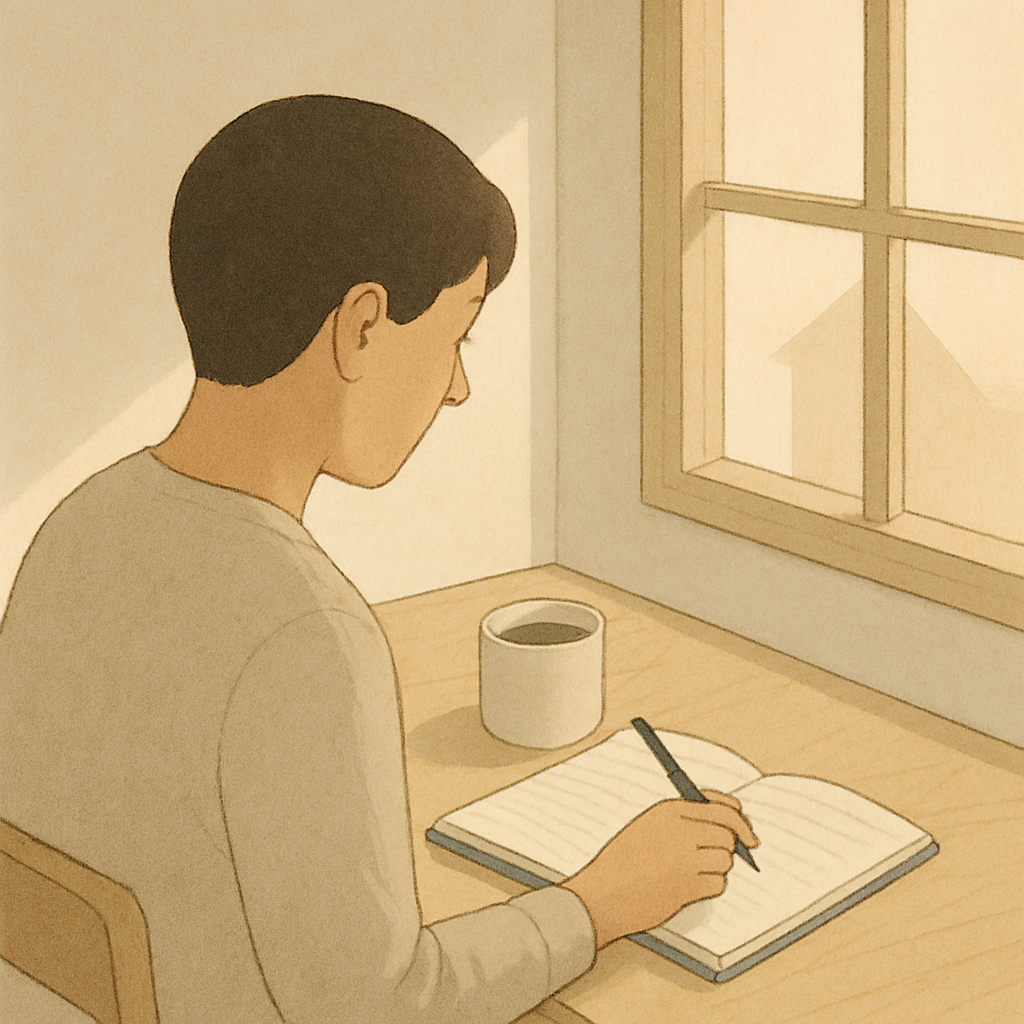
Small habits may seem insignificant in isolation, but over time they quietly shape behavior, identity, and long-term outcomes. While intense routines and radical changes often feel motivating at first, they are rarely sustainable.
This article explores why consistency—not intensity—is the foundation of lasting habits and how small actions compound into meaningful change.
Why Intensity Often Fails
Many habit systems fail because they rely on bursts of motivation. Extreme schedules, rigid rules, and all-or-nothing thinking create pressure that is difficult to maintain.
Common reasons intense approaches break down include:
- Mental fatigue
- Perfectionism
- Guilt after missed days
- Loss of motivation once novelty fades
When habits depend on high emotional drive, they collapse as soon as energy or focus drops.
Sustainable habits, on the other hand, are designed to survive low-motivation days.
Small Habits Reduce Psychological Resistance
One of the biggest barriers to habit formation is resistance—the mental friction that makes starting feel hard.
Small habits work because they:
- Lower the activation energy
- Feel manageable even on busy days
- Reduce fear of failure
- Create momentum instead of pressure
When the habit feels “too easy to fail,” consistency becomes natural.
Consistency Builds Identity, Not Just Results
Habits are not only about outcomes; they shape how people see themselves.
Repeating a small action daily reinforces identity-based change:
- “I am someone who shows up”
- “I am consistent”
- “I keep commitments to myself”
Over time, identity becomes the driver, and effort decreases.
👉 This identity-first approach aligns closely with the foundations explained in:
How to Build Habits That Actually Stick
The Compound Effect of Small Actions
Small habits benefit from compounding. While progress may feel slow at first, results accelerate over time.
Examples include:
- 10 minutes of daily reading
- A short daily walk
- Writing a few sentences each day
- Brief reflection or planning rituals
Each action is minor, but repetition turns it into a system.
👉 For a broader perspective on how daily behaviors support long-term stability, see:
Daily Habits That Support Long-Term Well-Being
Designing Habits That Last
To build habits that endure:
- Focus on frequency, not duration
- Attach habits to existing routines
- Remove unnecessary friction
- Allow flexibility without guilt
The goal is not perfection, but continuity.
When habits fit real life, they survive real life.
Final Thoughts
Small habits succeed because they respect human energy, attention, and limitations. Consistency creates progress quietly—without burnout, pressure, or constant motivation.
In the long run, sustainable habits outperform intense routines every time.
True change is rarely dramatic.
It is built, patiently, one small action at a time.
Related Resources & Further Reading
Readers exploring this topic sometimes look for additional tools or resources that support habits, focus, or long-term well-being.
At Vettrina, we curate evidence-based resources that are referenced across our articles for educational and informational purposes only.
You can explore this curated overview here:
→ Evidence-Based Tools & Resources