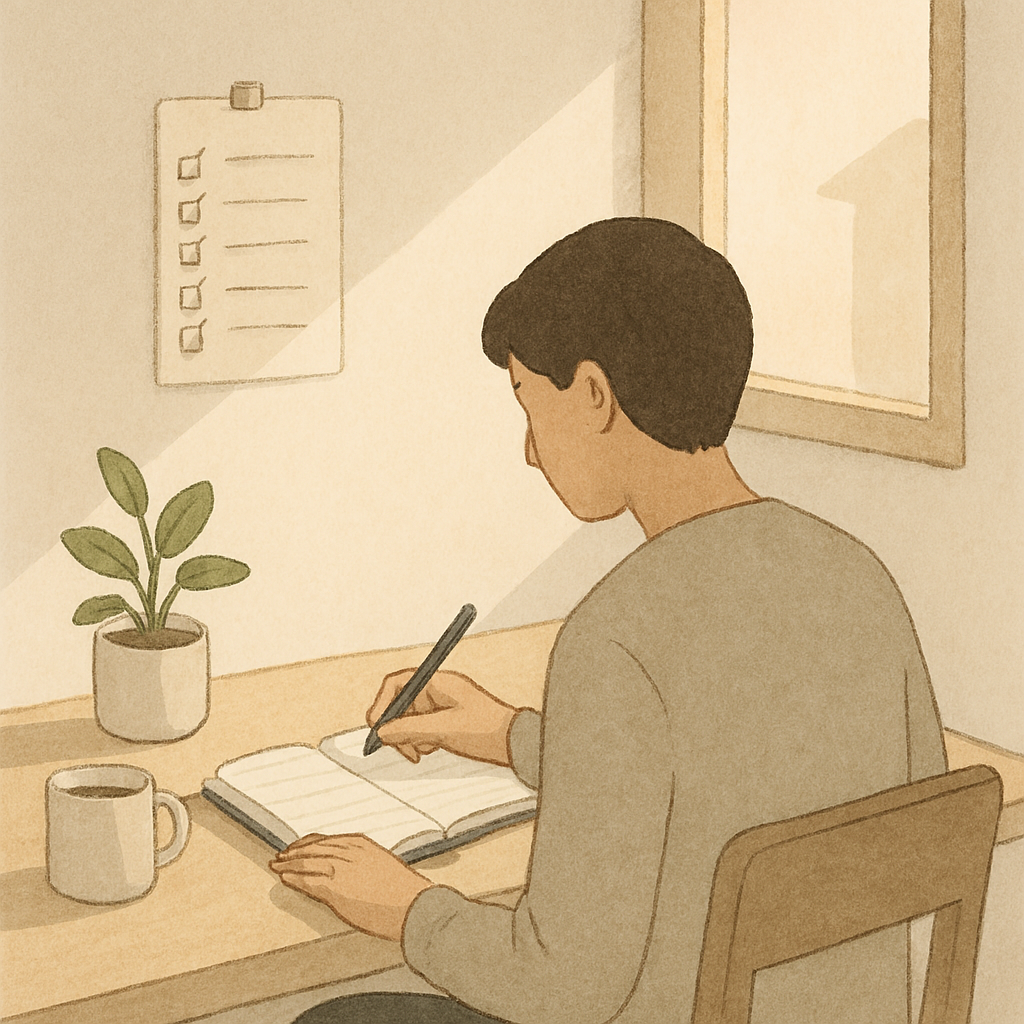
Motivation is often seen as the driving force behind personal change. When motivation is high, starting feels easy. When it fades, progress usually stops.
Small habits work differently. They rely less on emotional peaks and more on consistency. Over time, they quietly shape behavior—without requiring constant effort or inspiration.
Understanding this difference is essential for anyone trying to build routines that actually last.
The Problem With Relying on Motivation
Motivation is temporary by nature. It fluctuates based on mood, stress, sleep, and external circumstances.
This is why many people experience a familiar cycle:
- Strong motivation at the beginning
- Gradual loss of consistency
- Abandonment of the routine
From a behavioral perspective, motivation is an unreliable long-term strategy. Habits, not emotions, sustain change.
How Small Habits Create Lasting Change
Small habits reduce resistance. When an action feels manageable, the brain is less likely to avoid it.
Examples include:
- Reading one page instead of a full chapter
- Walking for five minutes instead of committing to a workout
- Writing a single sentence instead of a full paragraph
These actions may seem insignificant, but they create identity reinforcement. Each repetition sends a signal: “This is what I do.”
Over time, consistency compounds.
Habits Are Built Through Repetition, Not Effort
Contrary to popular belief, habits are not formed by intensity. They are formed by repetition in stable conditions.
The brain favors efficiency. Repeated behaviors require less conscious effort, eventually becoming automatic.
👉 For a deeper explanation of how repetition shapes routines, see:
How to Build Habits That Actually Stick
Why Small Habits Are Easier to Maintain
Large goals often fail because they demand too much change at once. Small habits succeed because they fit naturally into daily life.
They:
- Require less decision-making
- Create less mental friction
- Are easier to recover if missed
Missing one day does not break the system. This flexibility makes habits resilient rather than fragile.
The Role of Environment in Habit Formation
Habits do not exist in isolation. They are strongly influenced by environment.
Simple environmental adjustments—such as placing cues in visible locations or removing friction—can make habits easier to repeat.
👉 This relationship is explored further in:
How Environment Shapes Daily Habits
Motivation Still Has a Role—But Not the One You Think
Motivation is useful for starting. Habits are what keep things going.
Instead of waiting to feel motivated, effective routines are designed to function even on low-energy days. When habits are small and clear, motivation becomes optional.
This shift reduces pressure and increases sustainability.
Final Thoughts
Lasting change is rarely dramatic. It is built through small, repeated actions that align with daily life.
By focusing on habits instead of motivation, progress becomes more predictable and less dependent on willpower. Over time, these small behaviors reshape routines, identity, and long-term outcomes.
Consistency—not intensity—is what truly drives transformation.
Related Resources & Further Reading
Readers exploring this topic sometimes look for additional tools or resources that support habits, focus, or long-term well-being.
At Vettrina, we curate evidence-based resources that are referenced across our articles for educational and informational purposes only.
You can explore this curated overview here:
→ Evidence-Based Tools & Resources